News 📢
Citizens Organization for Advocacy and Resilience (COAR) formerly known as Coordination of Afghan Relief (COAR), established in 1989, is a national NGO formally registered under the NGO laws of the Islamic Republic of Afghanistan, a fully non-profit, not political, not-sectarian organization, functioning under a fully democratic governance of its elected Board-of-Trustees/Board of Directors and technically operating under its Board-of-Management.
Visit Website
Education Department
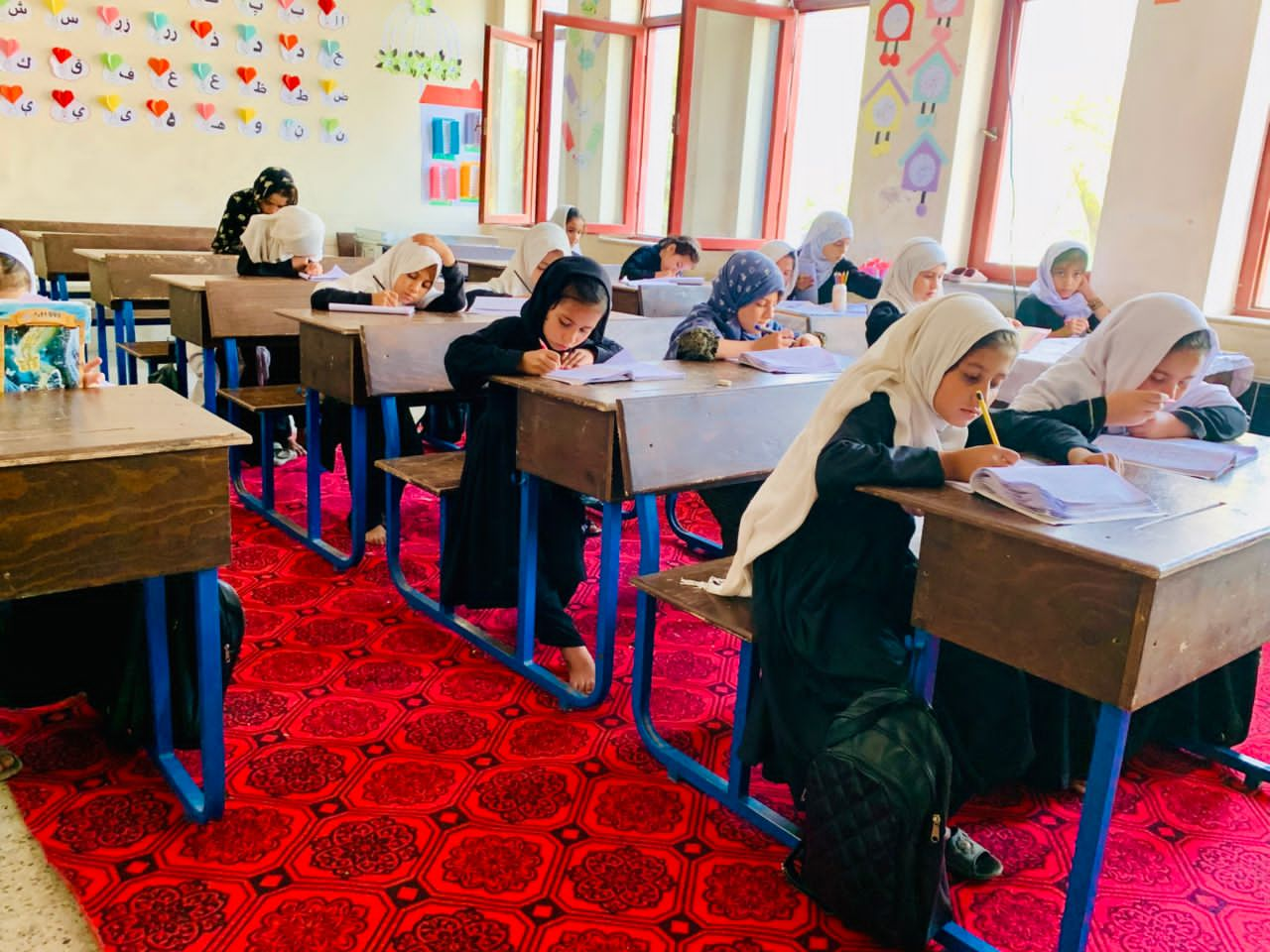
The Education Department of the Citizens Organization for Advocacy and Resilience (COAR) was established in 1991 by prominent national figures with the vision of restoring access to quality education in Afghanistan during a period of prolonged conflict and instability. From its inception, the department has focused on serving children, youth, and adults affected by war, displacement, and poverty particularly in hard-to-reach and underserved communities.
Education is a core pillar of COAR’s mandate. Over the past three decades, the Education Department has successfully implemented more than 230 education projects across multiple provinces of Afghanistan in close coordination with the Ministry of Education (MoE), other line ministries, and international partners. Through formal education, Education in Emergencies (EiE), literacy, and skills-based interventions, COAR has continuously adapted its programming to respond to the country’s evolving humanitarian and development needs, while strengthening access, quality, protection, and system resilience.
WASH and Engineerings Department
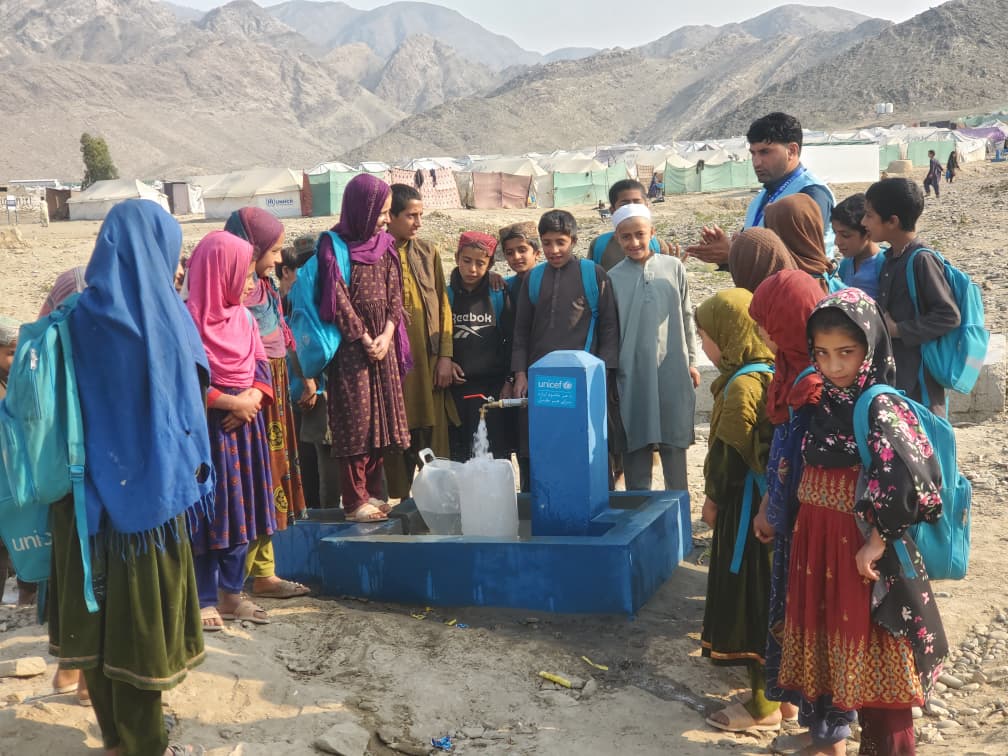
The engineering/WASH program is one of the main departments of COAR, which started the implementation of the engineering/WASH projects in from1989. The main objective of this department includes providing safe drinking water and handling disaster risks and emergency accidents, and providing a safe school anywhere and at any time. And focus on the feasibility study, social, and technical survey, design, implementation, monitoring, and evaluation of engineering/WASH projects in urban and rural areas of Afghanistan.
Specifically, COAR has been implementing CLTS, hygiene promotion awareness, school rehabilitation, gravity, and solar-powered pipe schemes, water treatment, sanitation facilities, solid waste management, WASH in schools, and WASH in health care facilities, distribution of hygiene kits, bathing facilities, and water tracking in target areas of Afghanistan.
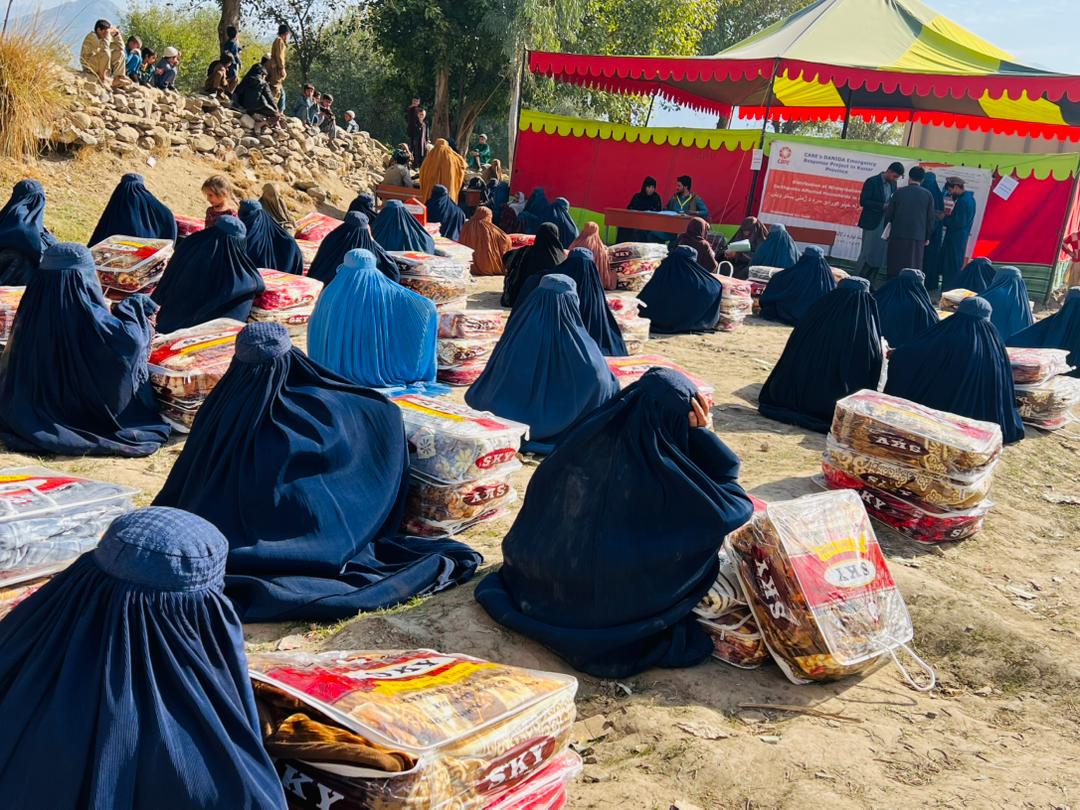
In 2025, COAR’s Engineering/WASH department implemented two WASH projects and one school rehabilitation project. These projects covered 124494 individuals, including 77519 women and 46975 men, providing safe schools, safe water, sanitation, and hygiene services in Kunar, Nangarhar, and Laghman provinces. The mentioned projects were funded by UNICEF and CARE-Afghanistan
Food Security & Livelihood Department
COAR’s Food Security and Livelihood (FSL) Department has been a cornerstone of its work since 1989, dedicated to reducing poverty and strengthening resilience throughout Afghanistan. The department implements programs in agriculture, livestock, vocational skills, and poverty alleviation, guided by a community-based model that engages CDCs to ensure sustainability. Its core strategies include targeting the ultra-poor, women’s economic empowerment, Climate-Smart Agriculture, vocational training, and emergency food security interventions.
Through these initiatives, households receive productive assets, training, cash or food assistance, and employable skills, benefiting more than 41,000 households and 272,000 individuals nationwide. Backed by donors such as NCA, UNDP, World Bank, WFP, UNICEF, UNHCR, UNOCHA, FAO, CARE, NRC, GFFO, CDP, SCA, and NEAR, the department has successfully delivered both long-term livelihood solutions and rapid humanitarian support across over 25 provinces through 54 projects.
Health & Nutrition Department
In 1996, COAR supported a network of Basic Health Units (BHUs) targeting mothers and children under five through its Public Health, Expanded Program on Immunization (EPI), and Maternal and Child Health (MCH) projects. During this period, COAR established additional clinics in Maqor, including two clinics—one in Gilan District and another in Maqor District. These clinics were later equipped with laboratory facilities and qualified medical doctors.
By 1997, COAR health facilities had provided treatment to more than 50,000 patients suffering from various diseases across two provinces over a five-year period. In addition, over 20,000 children were vaccinated through the COAR/UNICEF-supported EPI program. Alongside daily Outpatient Department (OPD) services, COAR health clinics also delivered mid-level health worker training, Traditional Birth Attendant (TBA) refresher courses, EPI vaccination services, and other essential public health interventions.
COAR’s health services significantly contributed to reducing morbidity, mortality, and disability among the target population, enabling communities to carry out their daily activities in improved physical condition. The health program focused on both curative and preventive care, rehabilitation of emergency health services, and addressing the differentiated health needs of women, men, and children. Key interventions included vaccination, reproductive health services, maternal and newborn health care, family planning counseling, communicable disease control, child health services, immunization, nutritional supplementation, and mid-level health training.
Furthermore, COAR implemented Basic Package of Health Services (BPHS) projects to deliver a comprehensive range of primary health care services. These interventions aimed to strengthen health service delivery across primary health care facilities and promote equitable access, particularly in underserved and hard-to-reach areas. Since 2005, COAR has worked under an agreement with World Vision International (WVI) within the MSH–REACH–BPHS framework in Chesht-e-Sharif District of Herat Province.
The primary objectives of this program were to strengthen the capacity of local NGOs in the management and implementation of health programs and to sustain the quality of health care services through collaborative planning, capacity building, and strategic program management. These efforts contributed to improving the overall health status of the targeted population, with a particular focus on women and children.
Disaster Risk Reduction (DRR) Department
Since COAR is the key member of Disaster Risk Reduction Consortium, and Asian Disaster Risk Response network (ADRRN), COAR has developed its capacity in response to the needs in emergency outbreaks.
When Communist regime under the leadership of Noor Mohammad Taraki has taken power from Duadkhan (Ex-president of Afghanistan)in1978, Afghans mostly in the rural areas were unsatisfied with the actions of the national and local government, This slowly and gradually resulted in armed conflict and in different parts of the country and extended to the main cities, displacement and migration of Afghans to Pakistan, Iran and other countries has been started , it reached to the peak point when due to the Russian invasion of Afghanistan in 1979 Actually this was the time where Afghans in Pakistan, Iran and in the rural area in Afghanistan face number of problems having no access to basic human needs (water, food, shelter, health and education facilities),so number of educated Afghans for the sympathy with Afghan refugees in Pakistan and war, conflict affected people in the rural areas of Afghanistan gathered in Peshawar and established an NGO under the name of Coordination of Afghan Relief (COAR) and renamed as Citizens Organization for Advocacy and Resilience (COAR) in 2019.
The organization with a small grant from some donor in 1989 started its activities in the refugees’ camps in Peshawar and soon extended to inside of Afghanistan.
Initially, COAR undertook emergency projects such as water supply and irrigation in Moqur district of Ghazni province and in a short while within few months extended its activities to Wardak and Logar provinces. Keeping in view its capacity to serve on urgent bases COAR expanded its humanitarian assistance to other provinces of Afghanistan.
COAR is one of the largest Afghan National Non-governmental Organization and has access to 23 provinces of the country, luckily with cooperation of other Civil society Empowerment Network (CEN) member organizations possess the ability to assist the disaster affected people in all over the country, although the security situation is changing from time to time, but as COAR is community based organization and the people involvement in all phases of the project is essential for us, at the meantime we believe that accountability, stability and transparency are the main factors for attracting trust of targeted communities, we have always followed the humanitarian principles while assisting the disaster affected people .
Social Development Department
COAR has implemented the social cohesions and Social Behavior change project in central regions in 2023, Social Behaviour Change and Accountability to Affected Population integrated interventions in the humanitarian situation of Kabul, Khost, Paktia, Paktika, Ghazni and Panjshir provinces.
COAR is running the social Behavior change SBC program with financial backing from UNICEF, this project was launched in 6 provinces and 58 districts in the central regions. The SBC teams are diligently working to raise awareness on a variety of topics, including nutrition, vaccination, education, and water, sanitation, and hygiene (WASH), at the village level. The two-pronged approach to community mobilization and engagement has been effective in ensuring sustainable social behavior change. By engaging and building the capacity of duty bearers’ religious scholars and social media activist at the community level and reaching a significant portion of the target population through multimedia multi-channel interventions, the project has been able to promote positive changes in support of communities.
The SBC project endeavors to broaden its engagement, extending its impact to a larger segment of the population across the six provinces. COAR's primary objective remains centered on empowering individuals and communities by addressing the cognitive, social, and structural determinants of developmental and humanitarian challenges. This collaborative approach involves working closely with communities and authorities to bring about positive changes.
COAR has implemented the social cohesion projects in Kabul and Khost provinces and partially implemented the So Co project in Zabul, Kandahar and Helmand provinces as part of the PEARL projects. this project aimed at creating an enabling environment for communities to live in unity, respect each other, and work together towards securing cohesions and social norms. COAR, as the implementing partner, utilized a participatory approach, involving the communities from project design to completion. COAR collaborated with relevant partners, local communities and leaders, and government line departments to identify and prioritize the immediate and medium-term needs of affected people.
The social cohesion intervention was particularly noteworthy, as COAR worked closely with community committees to address conflicts local resources. Through this intervention, COAR were able to facilitate dialogue sessions among community members and promote understanding and cooperation in the management of shared resources.
 Copyright © 2026 Localization Lab | Designed by MISS (ZS)